Short Vowel Sound Spellings
Written by: Brianna Guild, MHSc SLP(C)
Date: November 24, 2025
Updated: April 27, 2026
If you need a quick reference for “short vowel sounds” and their spellings, this blog is for you.
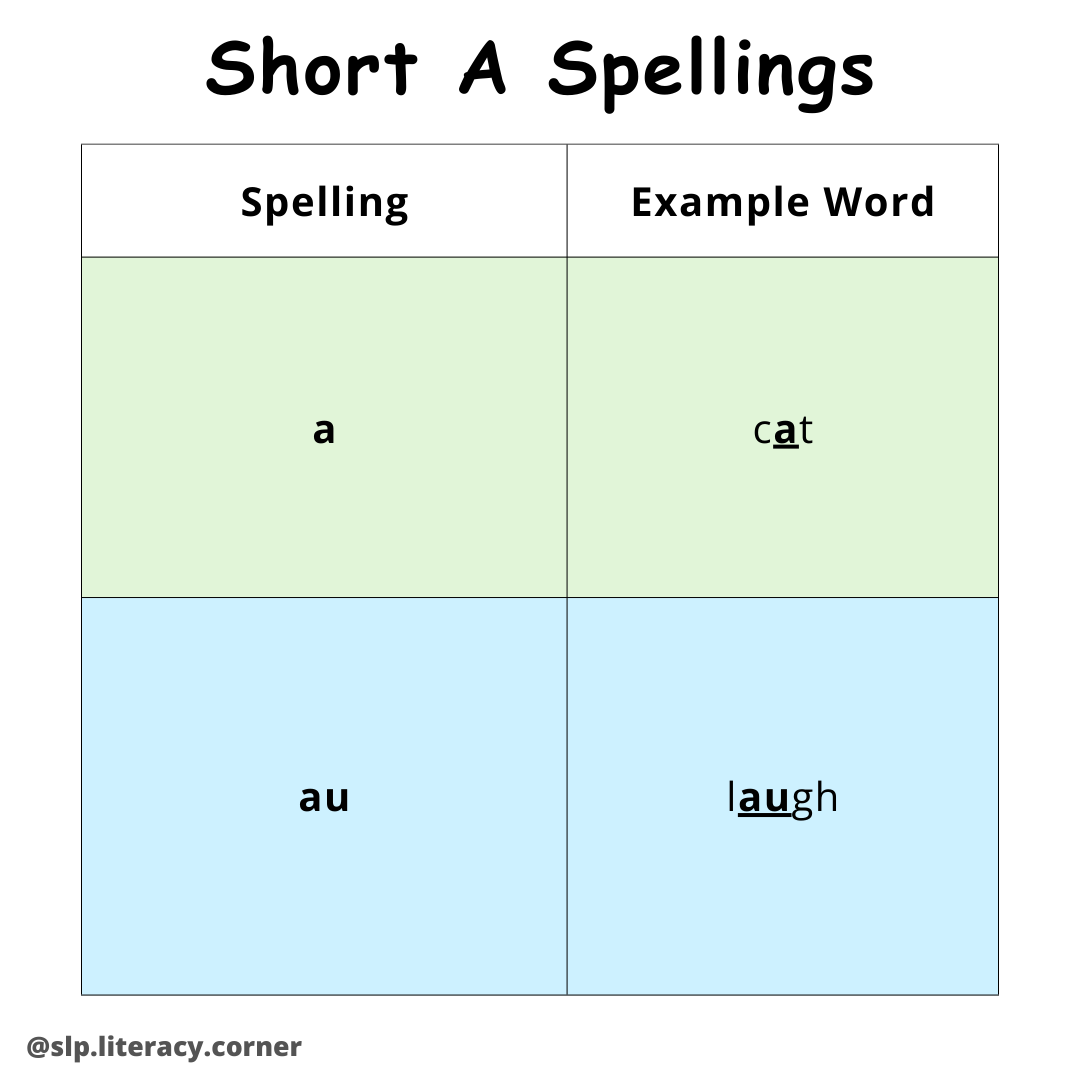
The charts below outline the different spellings of what are commonly referred to as the “short vowel sounds.”
Please note that pronunciation can vary depending on a speaker’s accent or dialect, which causes variation in how sounds and words are pronounced.
Colour key for short vowel spellings:
Green = most common spelling
Yellow = unusual spellings
Blue = rare spellings
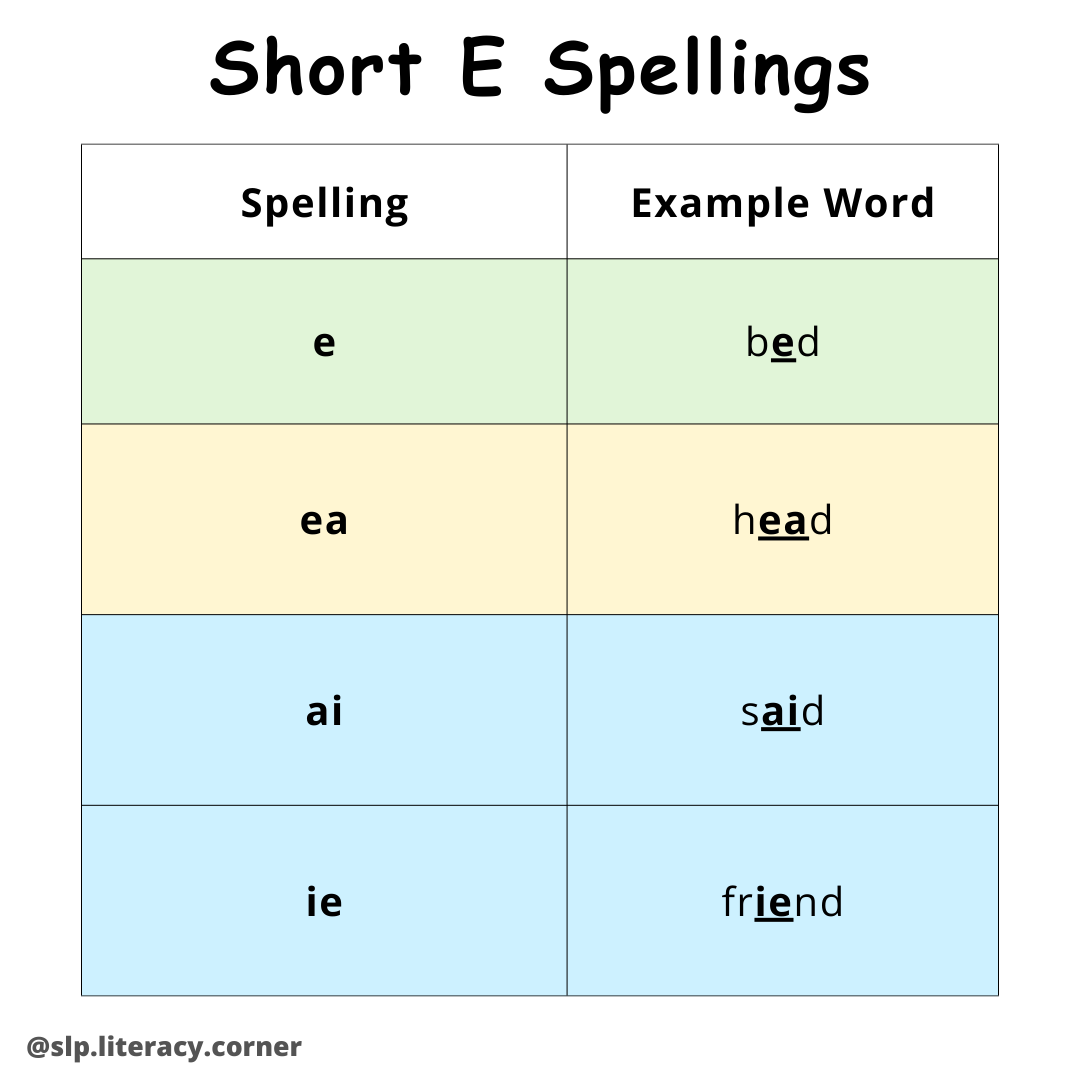
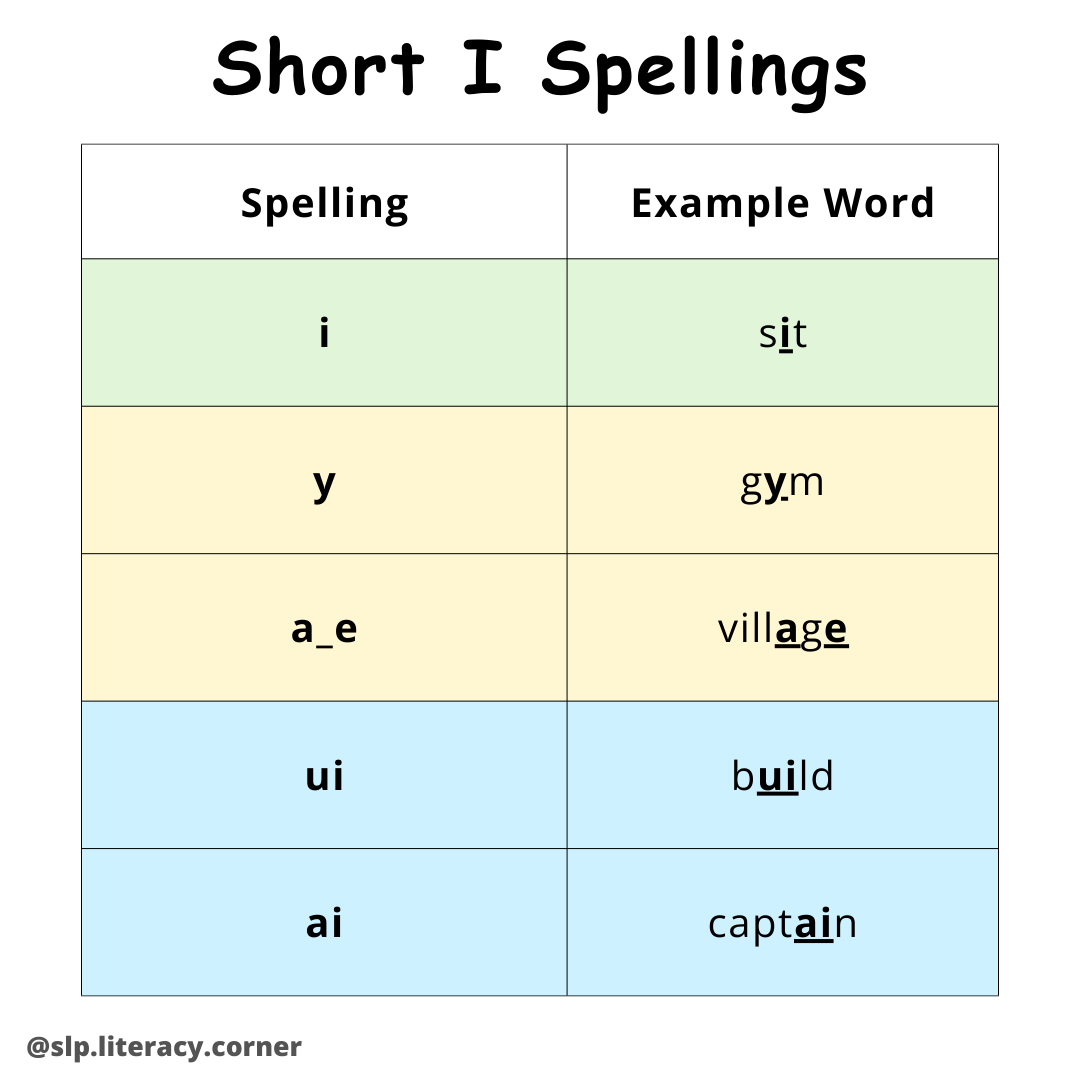
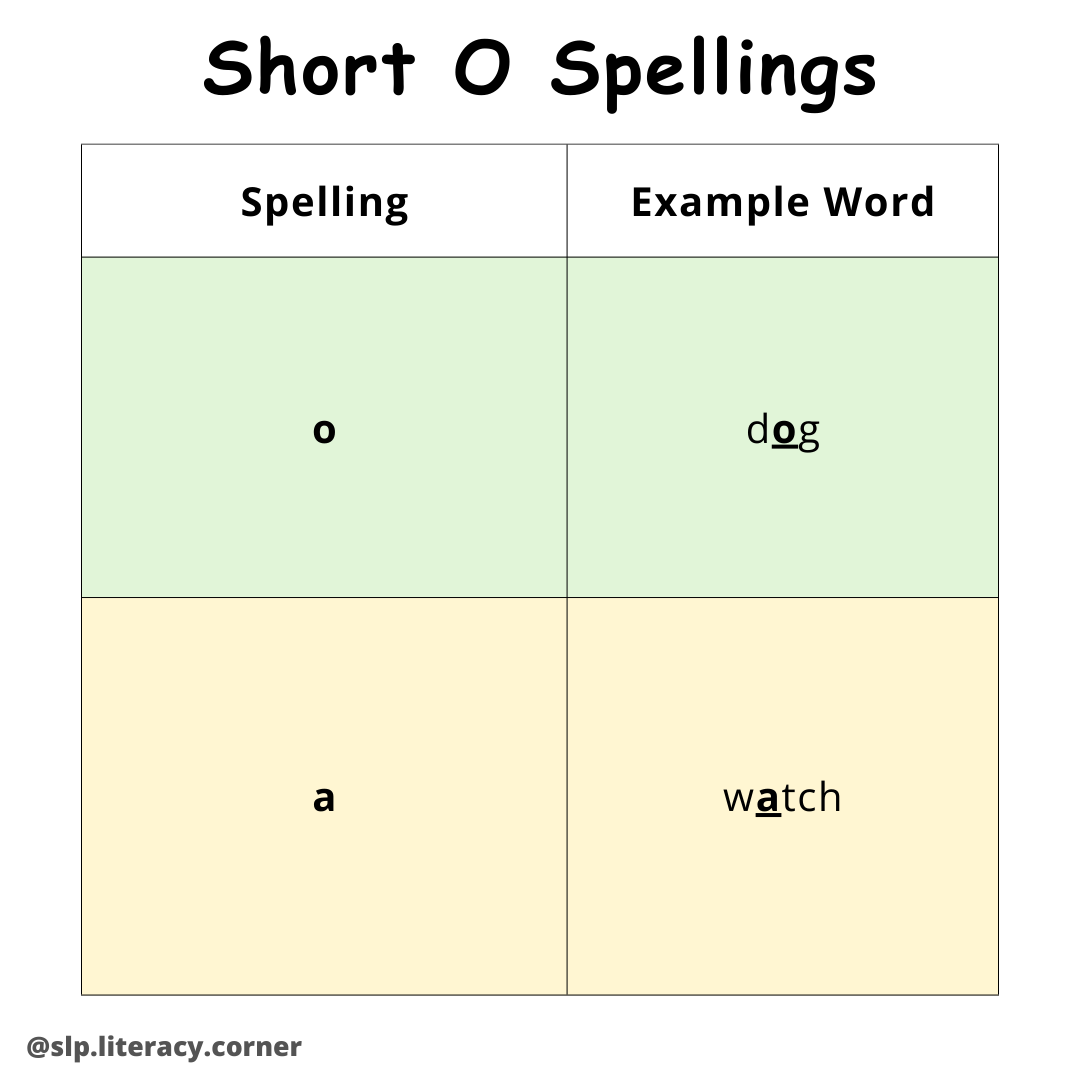
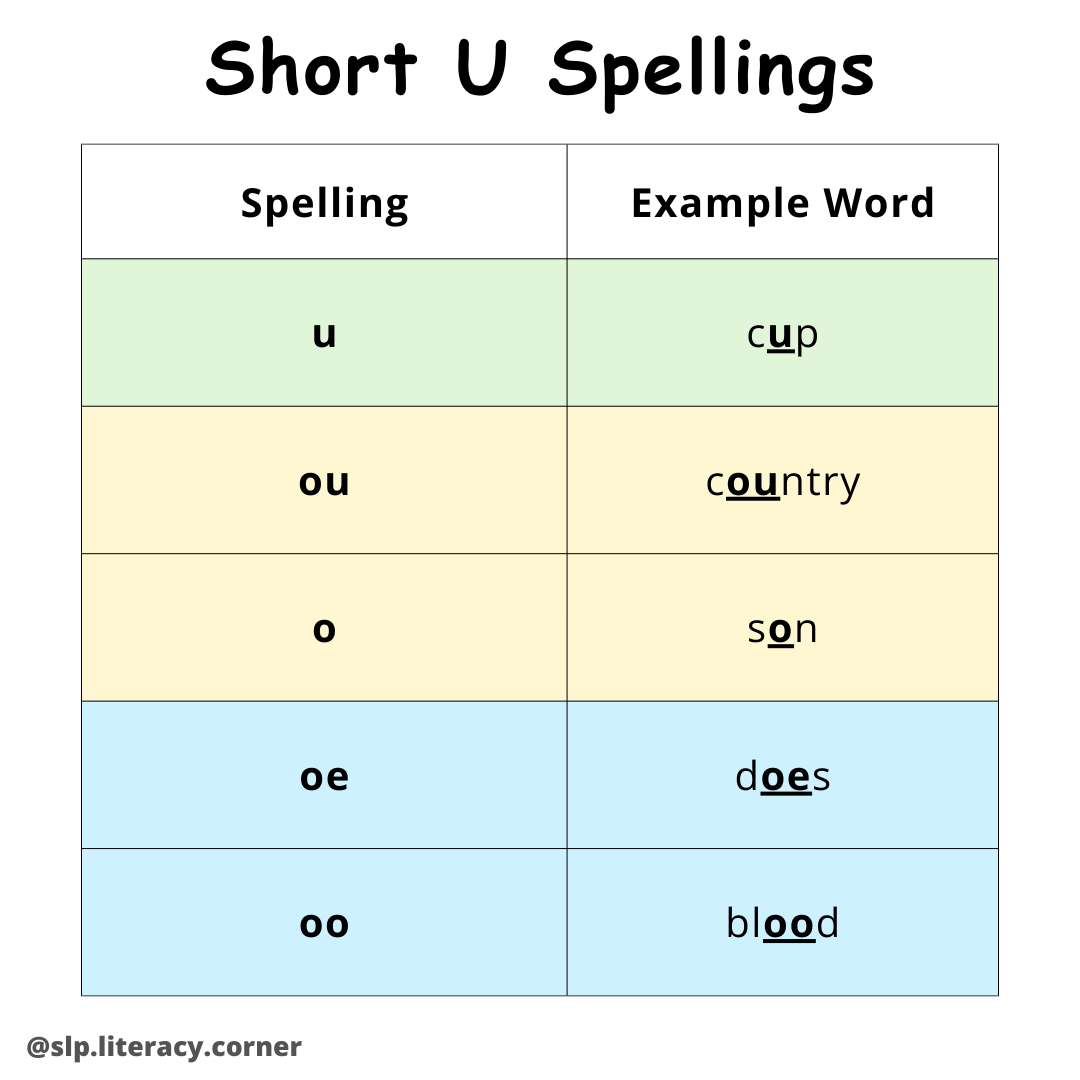
People write/refer to these sounds many different ways, so here’s a quick reference for that issue too:
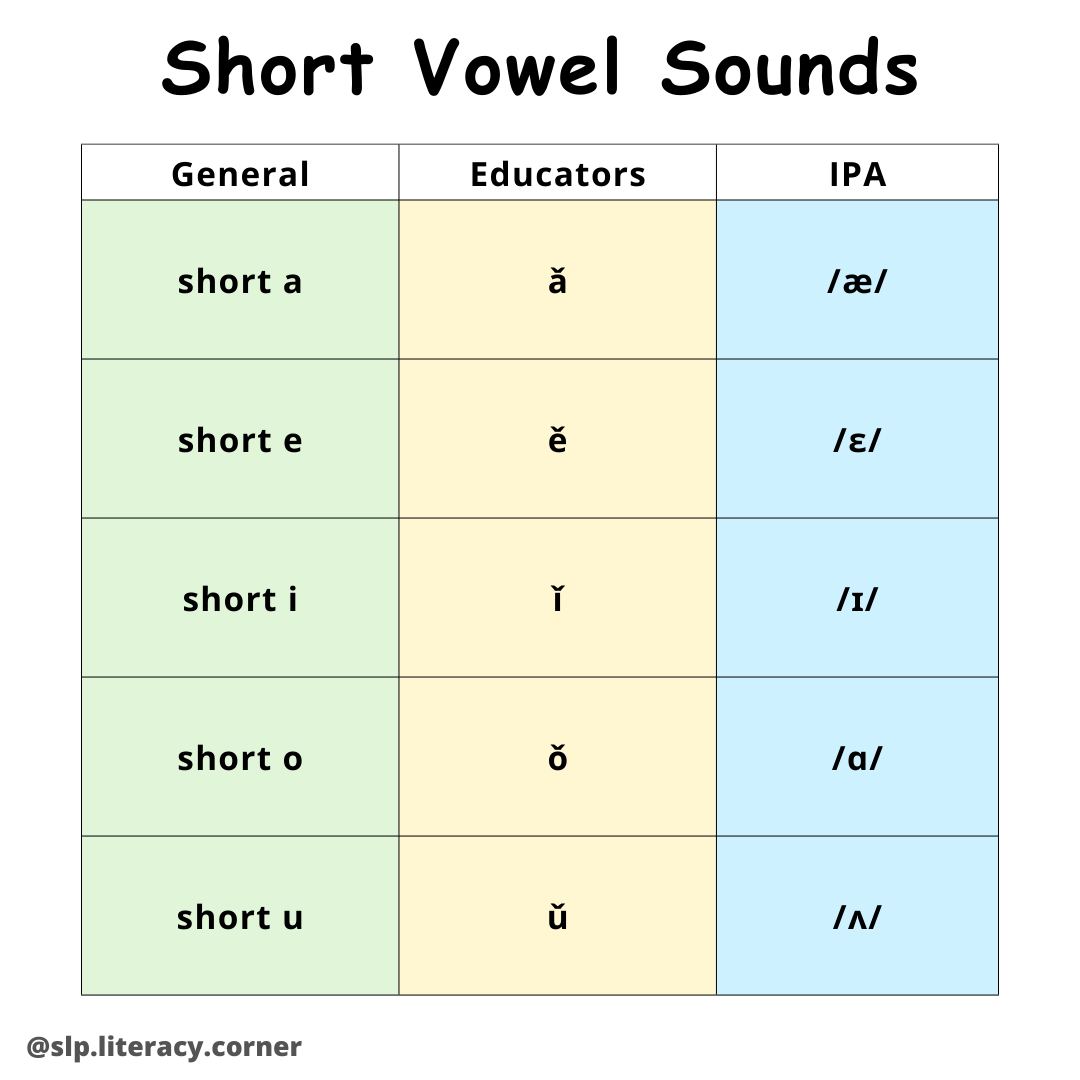
Why are these sounds written so many different ways?
- Many people generally refer to these as “short vowel sounds” (e.g., short a).
- Educators often use a curved symbol (breve) above the vowel to represent a short vowel (e.g., ă in băt), and a horizontal bar (macron) above the vowel to represent a long vowel (e.g., ā in bāke).
- Speech-Language Pathologists and Linguists use the International Phonetic Alphabet (IPA), an internationally recognized set of phonetic symbols that follows a strict one-to-one correspondence between sounds and symbols (e.g., bat = /bæt/).
Need more sound-spelling reference charts?
Check out:
Join the SLP Literacy Corner email newsletter to get access to exclusive free resources, including “short vowel” phonics backpacks and letter + sound review pages to help you teach, review, and assess your students’ letter knowledge. Sign up here!
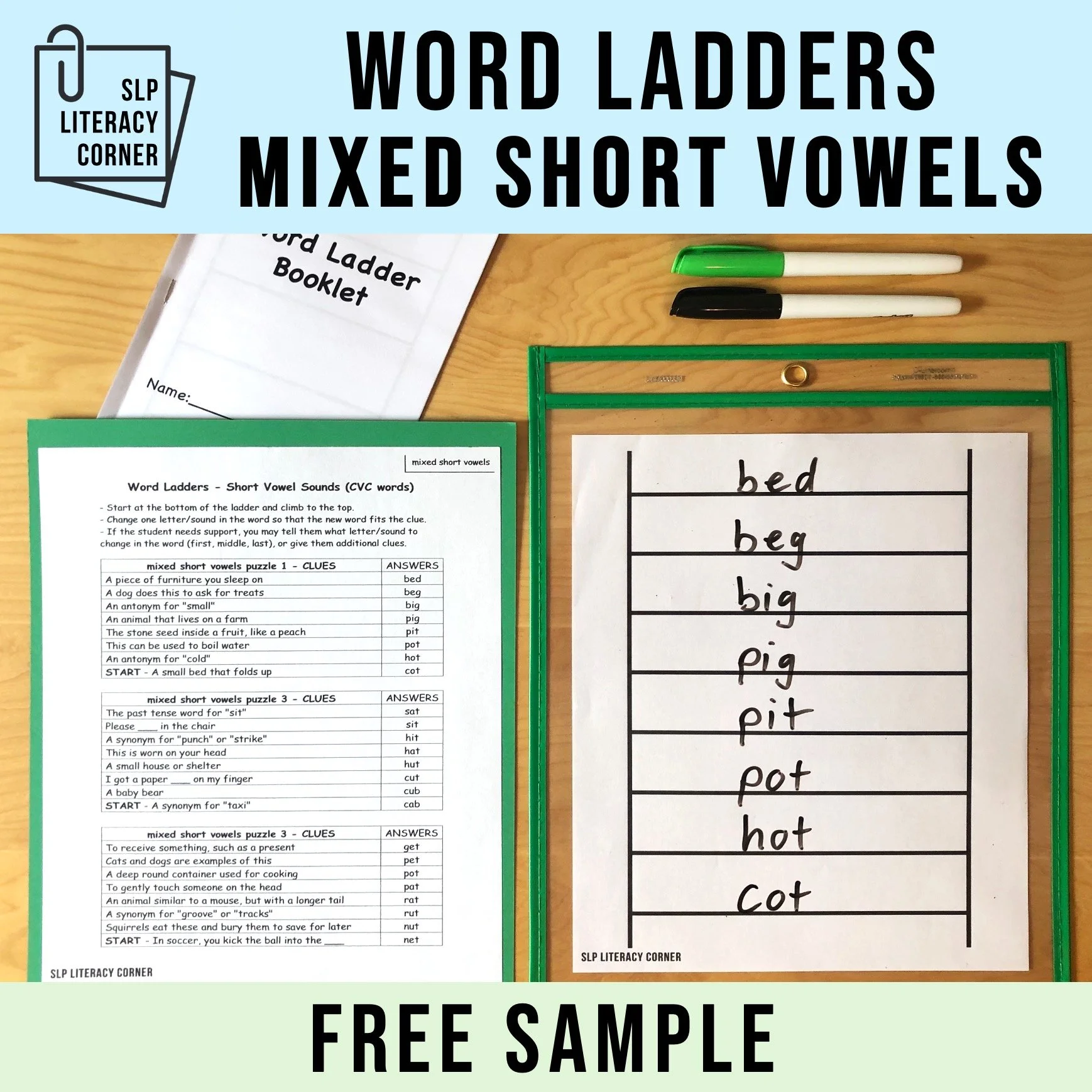
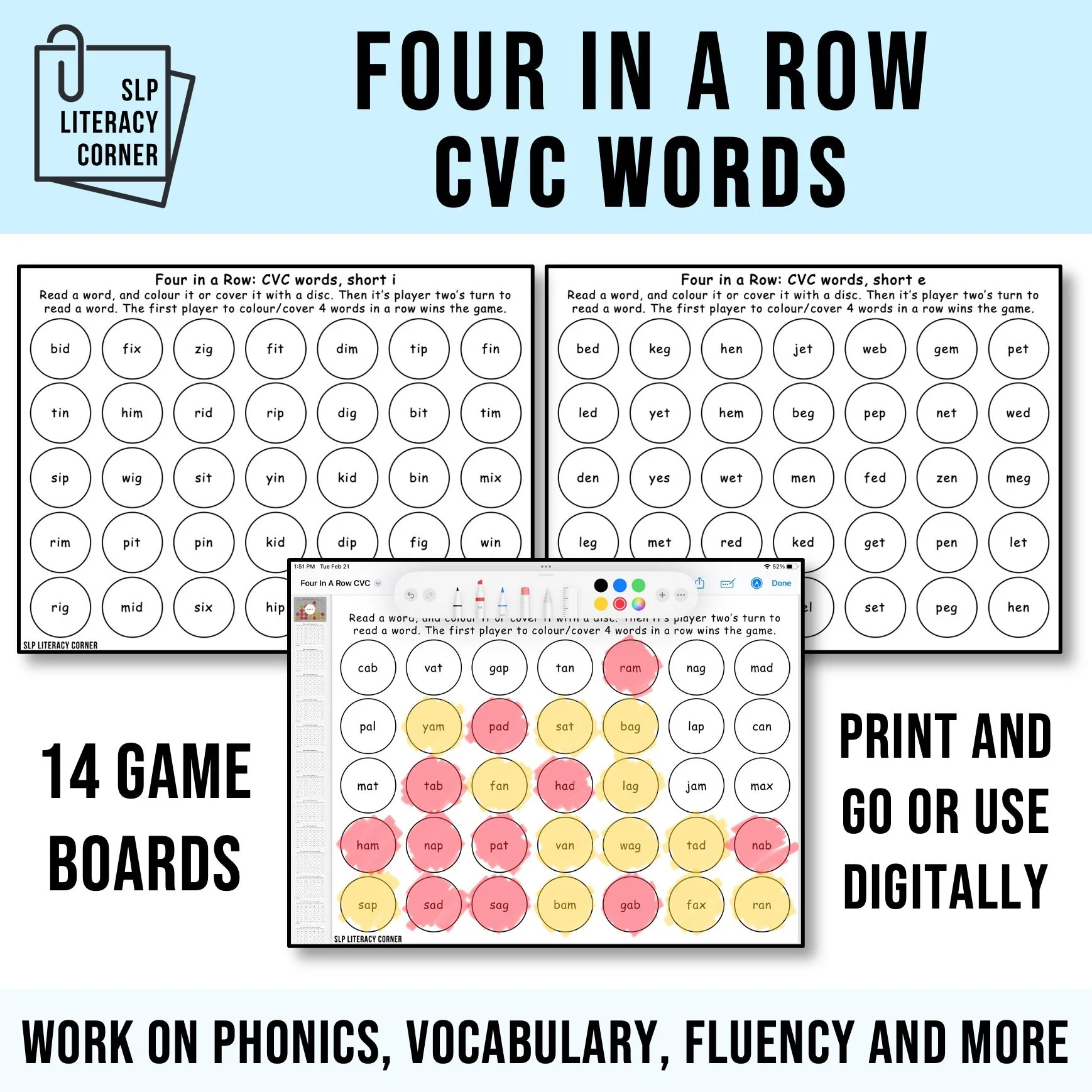
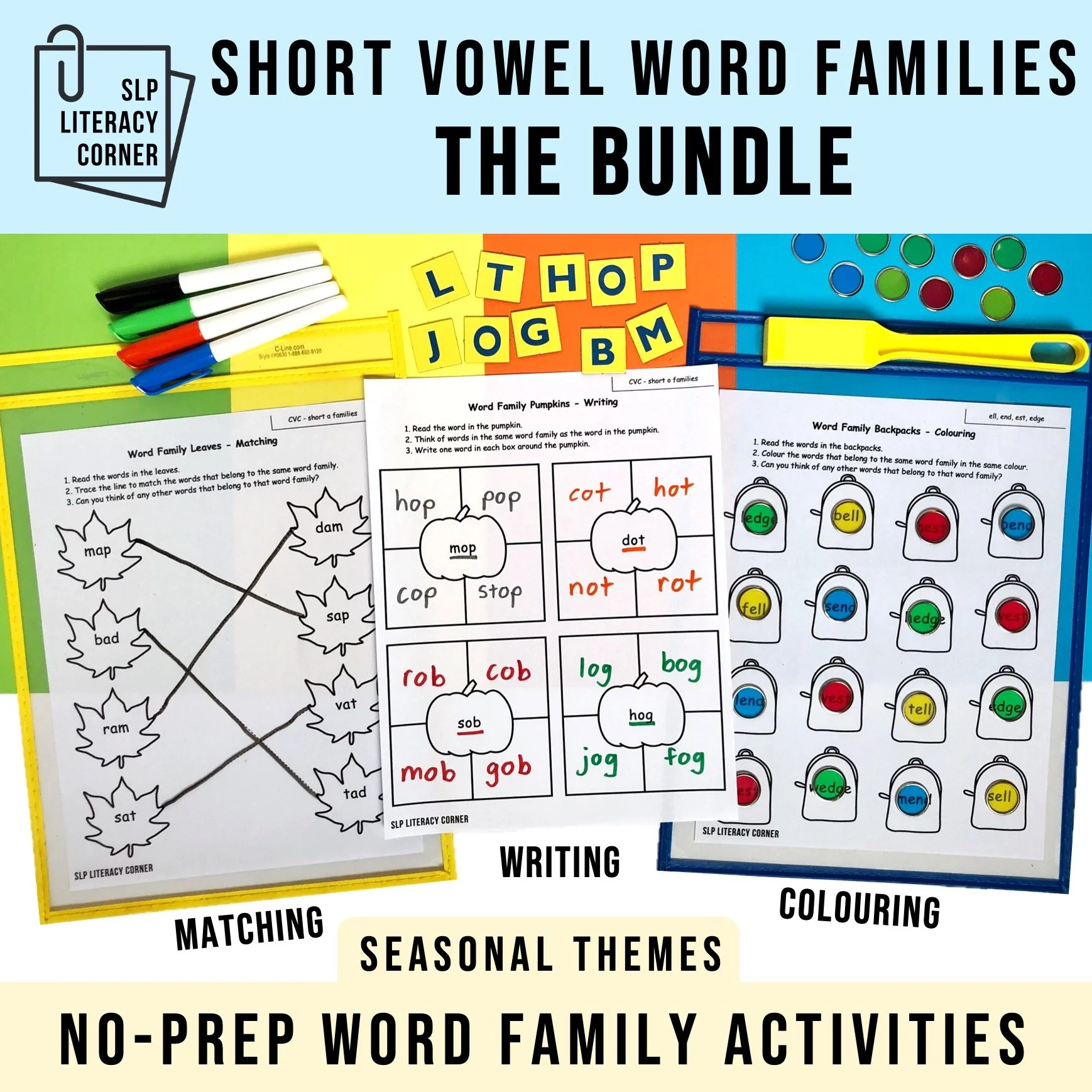
Here are some literacy activities focusing on short vowel sounds:

References:
Fry, E. (2004). Phonics: A Large Phoneme-Grapheme Frequency Count Revised. Journal of Literacy Research, 36 (1), 85-98. https://journals.sagepub.com/doi/pdf/10.1207/s15548430jlr3601_5
Ginsberg, M. (2020). Reading Simplified Full Code Chart.