

English is Morphophonemic: What This Means for Reading and Spelling (Plus Free Morphology Resources)
Written by: Brianna Guild, MHSc SLP(C)
Date: April 6, 2026
Did you know that English is a morphophonemic language?
A morphophonemic language is a code that represents both sounds (phonemes) and meaning (morphemes), rather than just sounds alone. Additionally, English prioritizes the consistent spelling of morphemes over the consistent spellings of phonemes. For example, the suffix -ed, which indicates past tense, is always spelled the same, but has three different pronunciations: /t/ (as in walked), /d/ (as in jogged), and /ɪd/ (as in sprinted), depending on the preceding sound.
“Understanding phonics is not enough to be a successful reader. English is morphophonemic, meaning that the sound-spellings that we teach students form meaning units that are important to understand in longer words. When students read a word, such as repopulate, they should look for meaningful parts” - Heidi Anne Mesmer, Big Words for Young Readers.
Word Analysis Example
Let’s look at the word unreliable:
Phonemes: /ʌ/ /n/ /ɹ/ /ɪ/ /l/ /aɪ/ /ə/ /b/ /ə/ /l/
Syllables: un - re - li - a - ble
Morphemes: un + rely + able
Morpheme meanings:
un- (prefix) = not
rely (base word) = to depend on with full confidence or trust; verb
-able (suffix) = something one can do; changes a verb into an adjective
Word meaning:
un + rely + able = unreliable: not able to be completely relied upon or trusted.
Example sentence: Decoding words using syllables only is an unreliable strategy.
Overall, it is important to teach students how morphemes work, and help students tackle reading and spelling longer words using both syllable- and morpheme-based strategies:
Syllable-based Strategies
Break words into syllables with simple strategies (e.g., every syllable has at least 1 vowel).
Be flexible by trying different sounds for vowels (e.g., “flexing” the vowel sound).
Link spelling pronunciations to real words students know.
Additional helpful blogs related to syllable-based strategies:
Morpheme-based Strategies
Learn base word and root families, and how to identify the base word or root.
Learn the spelling and pronunciation for the most common affixes (prefixes and suffixes).
Locate affixes and use them to decode and understand the meaning of words.
Additional helpful blogs related to morpheme-based strategies:
FREE Morphology Resources
To help students practice the morpheme-based strategies described above, here are some of my favourite FREE morphology resources to use with students:
I hope this information and these free resources help your students tackle longer words using syllable- and morpheme-based strategies, and better understand English as a morphophonemic language.
Join the SLP Literacy Corner email newsletter to get access to exclusive free resources, including suffix spelling rule worksheets to help your students with this aspect of morphology. Sign up here!
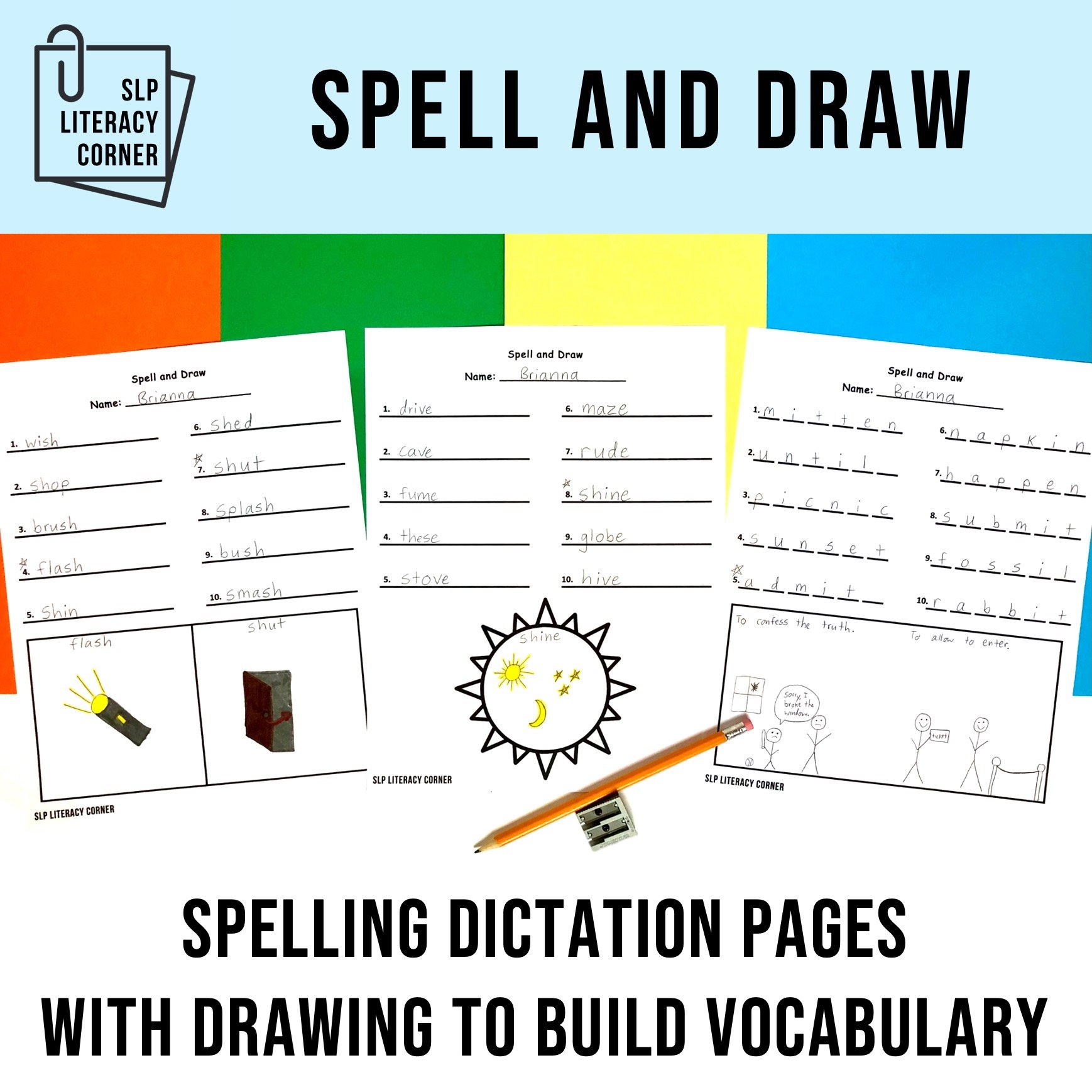
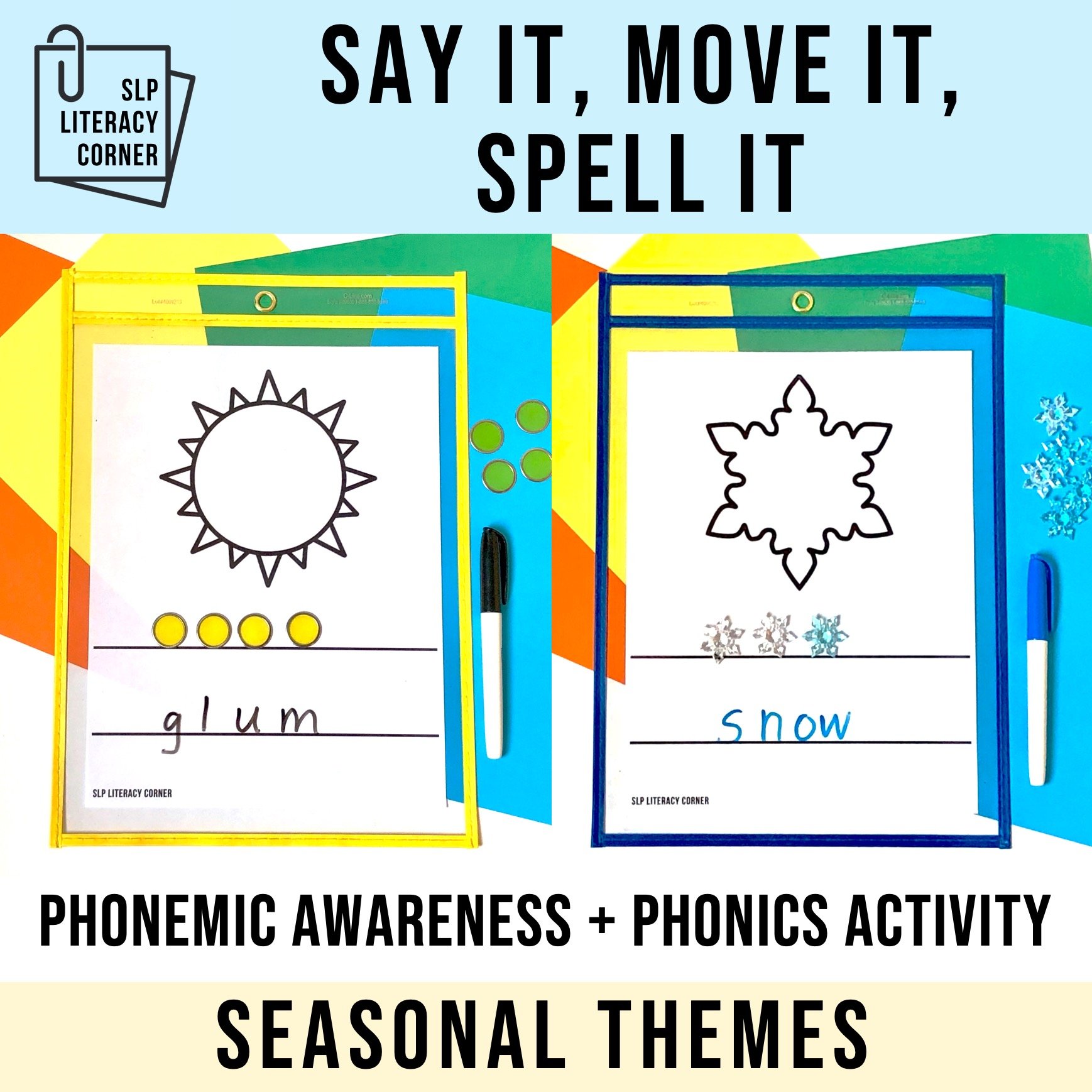
If you're looking for spelling and morphology activities, check these out:


References:
Kearns, D. M., & Whaley, V. M. (2019). Helping students with dyslexia read long words using syllables and morphemes. Teaching Exceptional Children, 51(3), 212–225. https://education.ufl.edu/patterson/files/2020/05/KearnsWhaley2019.pdf
Logic of English. (n.d.). Morphemes. Logic of English. https://support.logicofenglish.com/hc/en-us/articles/4708756892443-Morphemes
Mesmer, H. A. (2024). Big Words for Young Readers: Teaching Kids in Grades K to 5 to Decode―and Understand―Words With Multiple Syllables and Morphemes. Scholastic.