4 Ways to Support Spelling in Middle and High School

Written by: Brianna Guild, MHSc SLP(C)
Date: March 25, 2026
Do you know middle or high school students who still struggle with spelling, especially longer and more complex words? The key to supporting older students with spelling isn’t memorizing word lists or key words for different content areas (e.g., science, history). It’s helping them understand how words and spelling actually work by:
Breaking words into syllables, and spelling one syllable at a time.
Recognizing the schwa sound and its possible spellings.
Reviewing sounds that can be represented by multiple spellings.
Strengthening morphological knowledge by learning prefixes, suffixes, and Greek and Latin roots.
1. Identify syllables in multisyllable words and spell by syllable
Teaching and reminding students to segment words into syllables makes spelling longer words more manageable. Once a word is segmented into syllables, students can spell one syllable at a time, checking the sounds and patterns within each syllable. This strategy is especially helpful for longer academic words.
Here’s a full blog post on spelling practice, along with FREE Spelling Practice Templates designed to support students in a way that promotes orthographic mapping, the mental process that stores words in long-term memory by connecting sounds (phonemes) to letters (graphemes), rather than rote memorization.
2. Teach the schwa vowel sound
The schwa (/ə/) is the most common vowel sound in English and appears in unstressed syllables (e.g., again, animal). Because it sounds like a quick “uh” or “ih” sound, students often don’t know which vowel to use when spelling the word. Teaching students to recognize unstressed syllables and consider possible vowel spellings can help them make better spelling decisions for multisyllable words.
Here’s a full blog post on the schwa vowel sound.
3. Review sounds that have multiple spellings
Many sounds in English can be represented by multiple spellings. For example, the “long A” sound can be spelled a, a_e, ai, ay, ey, eigh, ea, e, ei (e.g., table, came, train, play, they, eight, break, cafe, veil). Reviewing the different spellings for a sound and practicing them in real words helps students understand that spelling involves choosing among patterns, not just remembering one rule.
Here’s a full blog post on “long” vowel sound spellings.
Here’s a full blog post on “short” vowel sound spellings.
4. Strengthen morphological knowledge
Older students benefit from further morphology instruction, including prefixes, suffixes, and Greek and Latin roots. Understanding meaningful word parts helps students spell and understand academic words. For example, knowing that aster/astr means “star” can help students spell and recognize words like asterisk, asteroid, astronaut, and astrology.
Here are my favourite FREE word matrix activities from Reach All Readers, perfect for use with older students.
Final Thought
Overall, spelling instruction for older students is most effective when it focuses on sounds, syllables, and meaningful word parts (the building blocks of spoken and written language) rather than rote memorization. When these elements are taught explicitly, spelling longer words becomes more manageable, and less frustrating.
And if this sounds like spelling instruction for the early grades too… that’s because it is. Effective instruction is effective instruction. The difference for middle and high school students is the complexity of the words.
Join the SLP Literacy Corner email newsletter to get access to exclusive free resources, including spelling practice templates. Sign up here!
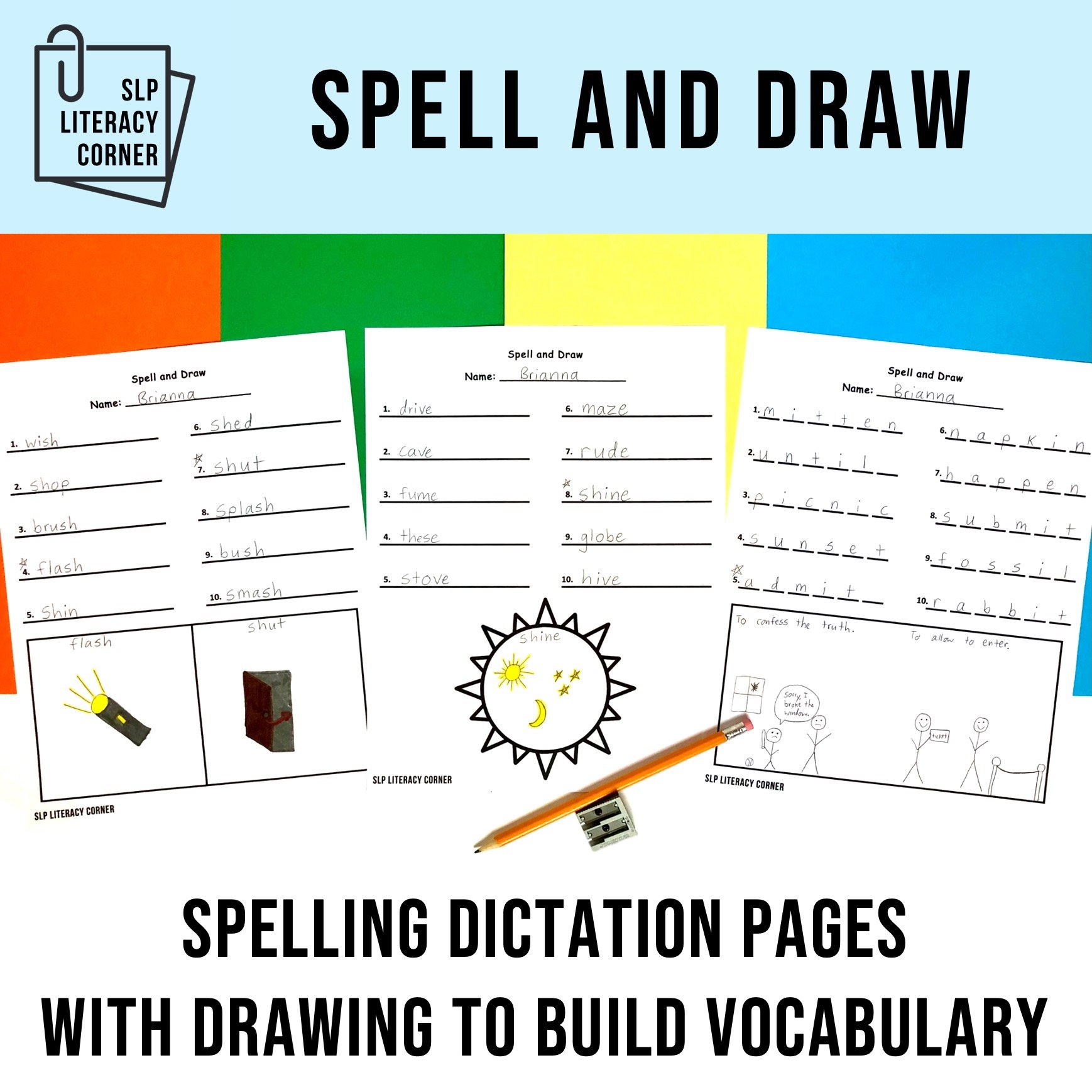
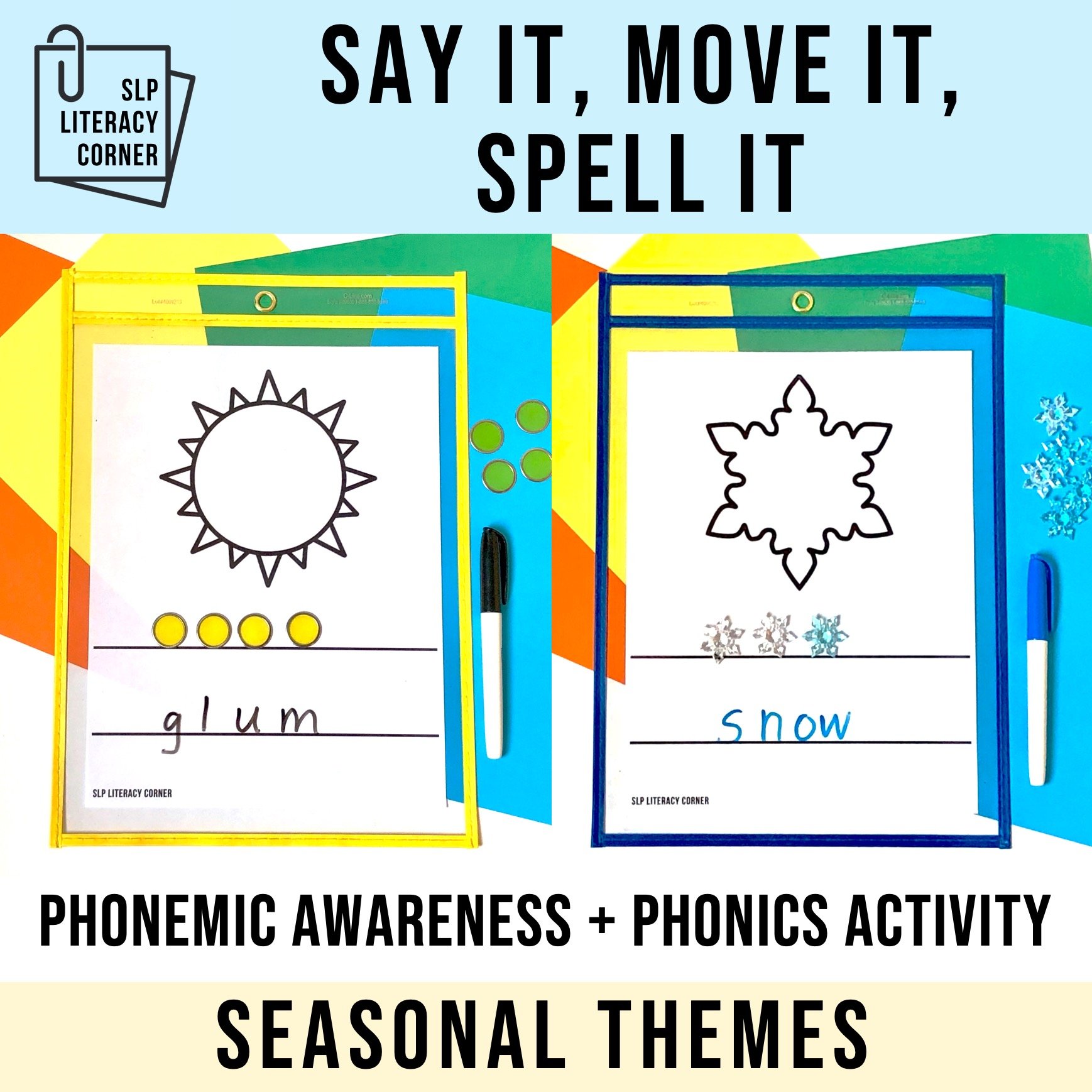
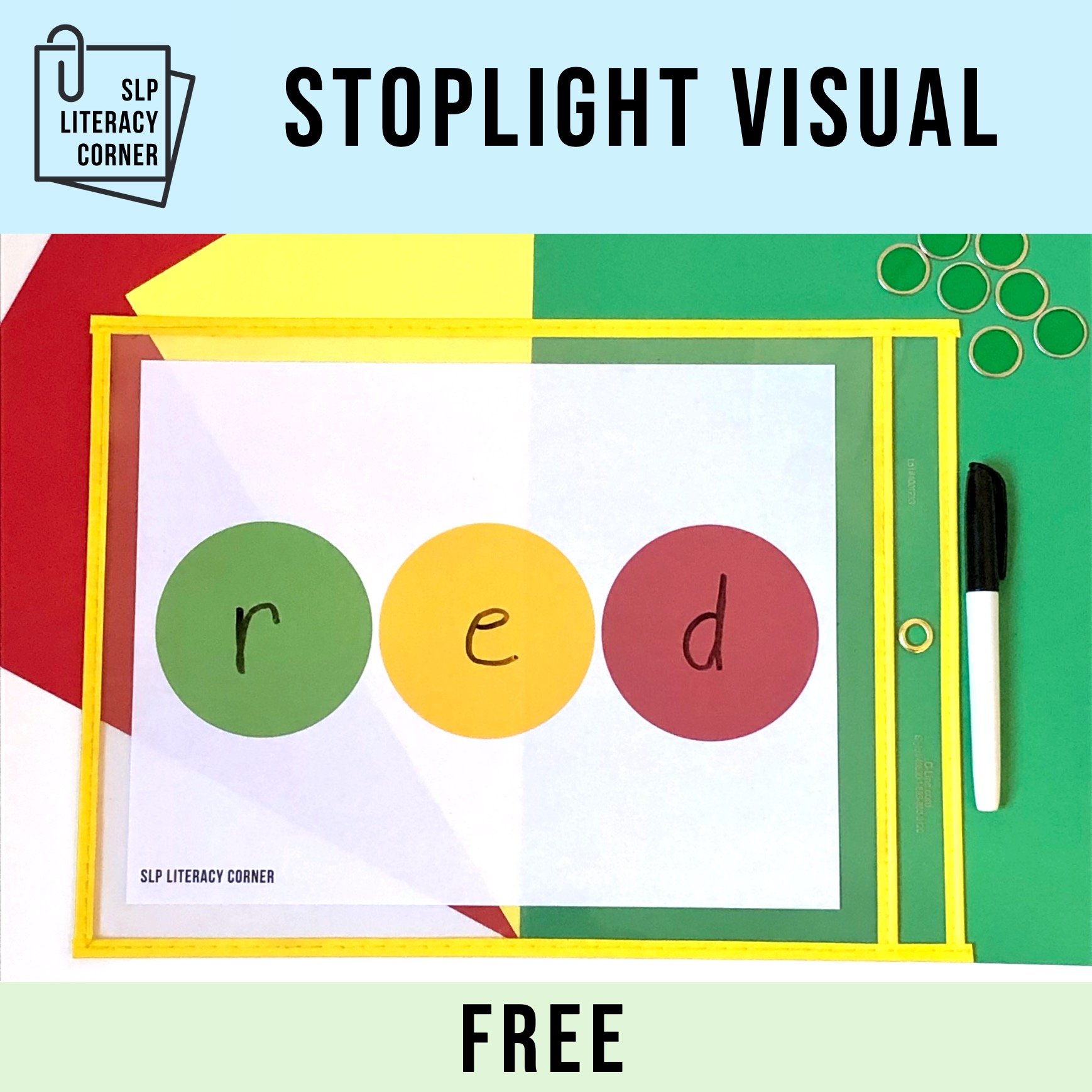
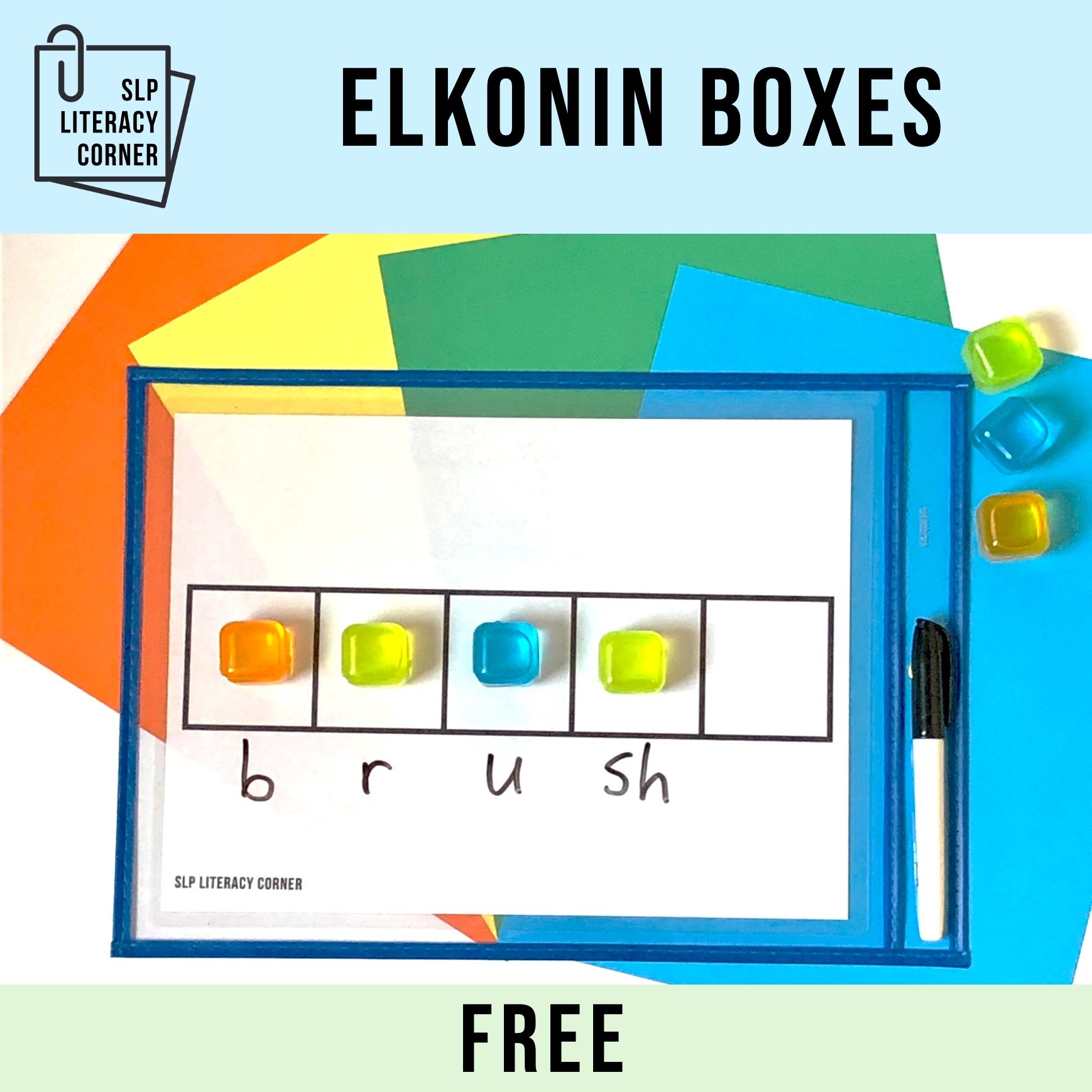
If you're looking for spelling activities, check these out:
References:
Kearns, D. M., & Whaley, V. M. (2019). Helping students with dyslexia read long words using syllables and morphemes. Teaching Exceptional Children, 51(3), 212–225. https://education.ufl.edu/patterson/files/2020/05/KearnsWhaley2019.pdf